
What Is a Fiat Wallet?
12 March 2026 • 14 Min ReadWhat Does Fiat Wallet Mean?
A fiat wallet is a digital financial tool or application that enables users to store, send, and receive government-issued currencies, such as the US dollar (USD), the euro (EUR), or the British pound (GBP), in electronic form. Fiat wallets offer a secure and convenient way to manage traditional money digitally, typically through mobile apps, online platforms, or integrated payment systems.
Unlike traditional bank accounts, fiat wallets are specifically designed for fast and flexible digital transactions, including instant transfers, multi-currency management, and direct integration with other financial technologies, such as cryptocurrency exchanges. Fiat wallets play a crucial role in today’s cashless economy, serving as a bridge between conventional banking and digital financial services.
Individuals and businesses commonly use fiat wallets to facilitate daily transactions, online payments, and international money transfers and to interact with both traditional and digital assets within one unified interface.
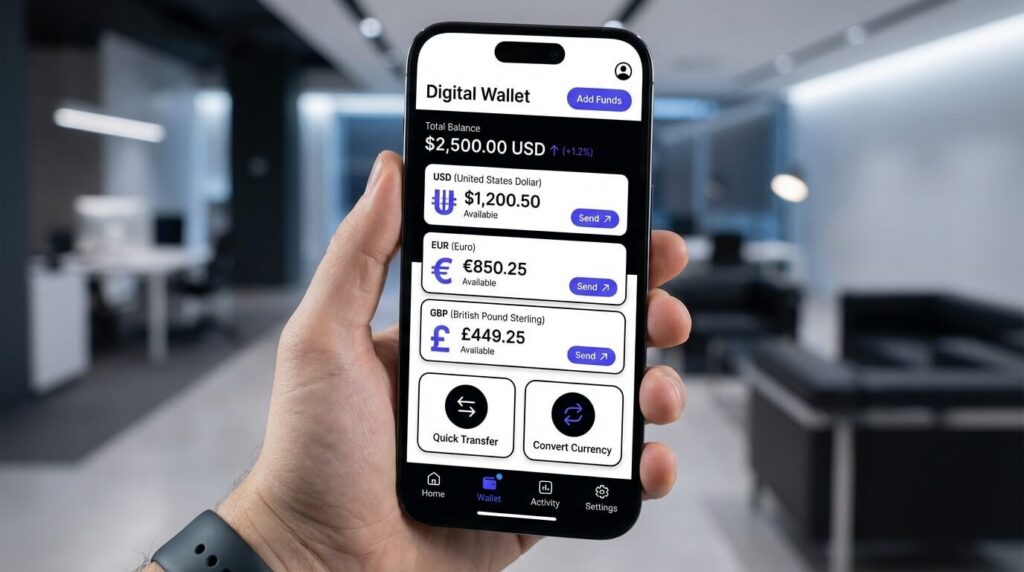
How Fiat Wallets Work
Fiat wallets function as multi-purpose financial accounts embedded within various digital platforms, including cryptocurrency exchanges, digital banking systems, fintech applications, and mobile wallet services. These wallets are designed to facilitate the storage, transfer, and management of government-issued currencies in electronic form across different digital environments.
Integration with Digital Platforms
Fiat wallets are frequently integrated into cryptocurrency exchanges, neobanks, and third-party payment infrastructures. Such integration enables the seamless movement of funds between fiat wallets, linked bank accounts, payment cards, and digital asset holdings. Within cryptocurrency exchanges, fiat wallets typically serve as on-ramps and off-ramps for national currencies, allowing users to deposit funds in fiat before converting them into digital assets or to withdraw funds after conversion.
Transaction Capabilities
Once funded, fiat wallets support a wide range of financial operations, including both routine and specialized transactions. Their central role lies in consolidating payment and transfer functions within a single digital interface.
Funding and Withdrawals
Wallets can generally be funded by linking to an external bank account, debit or credit card, or, on some platforms, through cash deposits at authorized retail locations. Withdrawals are processed by transferring funds to linked bank accounts, issuing payouts to cards, or enabling cash access via affiliated automated teller machines (ATMs), depending on regional support and provider infrastructure.
Retail and In-Person Payments
Fiat wallets are widely used for everyday transactions such as retail purchases, public transport fare payments, or point-of-sale interactions at merchants that accept digital payment methods. Contactless payment technologies—such as near-field communication (NFC), QR codes, or smart device integrations—are commonly used to streamline the checkout process, eliminating the need for physical cards or currency.
Online Transactions
Digital wallets facilitate secure online payments for goods, services, utility bills, and subscription-based platforms. Integration with e-commerce systems allows users to complete purchases without manually entering payment details for each transaction. Security protocols, such as data encryption and two-factor authentication, are commonly used to safeguard payment activities. Features like instant confirmations and downloadable transaction histories enhance transparency and financial tracking.
Cross-Border Transfers
Many fiat wallets support international money transfers, often offering lower fees and faster processing times compared to conventional banking systems. Built-in currency conversion capabilities allow funds to be sent and received in various fiat currencies. These functionalities are commonly utilized by remote workers, international freelancers, expatriates, and businesses with cross-border operations.
Peer-to-Peer Transfers and Automation
Peer-to-peer (P2P) transfers within the same wallet ecosystem are generally processed in real time. Common use cases include bill-splitting, informal remittances, and intra-household fund transfers. Advanced features may include recurring payment scheduling, multi-currency balance management, and integration with loyalty or rewards programs.
Fiat wallets are regarded as flexible digital financial tools that accommodate both personal and business-related transactions. Their widespread adoption reflects the broader shift toward cashless payment systems and mobile-first financial services in the global digital economy.
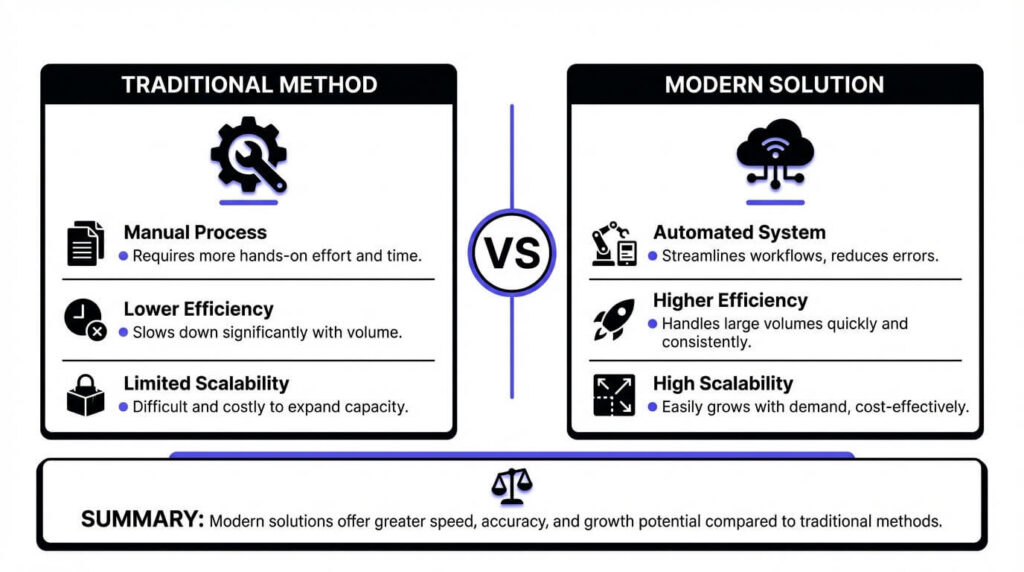
Types of Fiat Wallets
Fiat wallets are available in several distinct forms, each designed to cater to different user preferences and technological environments. Regardless of type, all fiat wallets provide a platform for managing government-issued currencies in a digital format. However, the mode of access, integration with other financial services, and available features can vary significantly between categories.
Mobile Fiat Wallets
Mobile fiat wallets are applications designed for smartphones and tablets, allowing users to manage their funds from virtually anywhere. The primary advantage of mobile wallets lies in their portability and ease of use, making them particularly suitable for on-the-go transactions and real-time account management.
Features such as biometric authentication, instant notifications, and support for contactless payments (e.g., NFC or QR codes) further enhance user convenience and security. Integration with loyalty or rewards programs is also standard, enabling users to collect points or receive discounts directly within the app. Notable examples include Apple Wallet, Google Wallet, PayPal, and Revolut, which often support multiple currencies and, on some platforms, cryptocurrency transactions.
Web-Based Fiat Wallets
Web-based fiat wallets are accessed via internet browsers on desktop and laptop computers, and often through mobile browsers as well. They provide a user-friendly interface tailored for those who prefer managing their finances on larger screens or require more advanced functions, such as detailed transaction histories or multi-account management.
Web-based wallets are commonly chosen by individuals and businesses who need robust online payment capabilities and straightforward integration with additional financial services. Advanced security features—such as encryption and two-factor authentication—are standard to ensure the protection of user data and transactions. Leading web-based wallets include PayPal, Venmo, Binance, and Coinbase, which may also allow users to handle both fiat and digital assets within the same platform.
Bank-Integrated Fiat Wallets
Traditional banks or licensed financial institutions provide bank-integrated fiat wallets, which serve as an extension of online banking services. These wallets are directly linked to a user’s existing bank account, facilitating seamless movement of funds between accounts with minimal delay. Features can include instant or fee-free transfers within the same banking network, scheduled payments, budgeting tools, and, increasingly, direct connectivity with digital currencies or payment apps. The primary benefit of bank-integrated wallets is the additional security and regulatory oversight provided by established financial institutions. Examples include Monzo, N26, and Chime, as well as wallet functionalities incorporated into mobile banking applications offered by major banks.

Fiat Wallets vs. Crypto Wallets
Fiat and cryptocurrency wallets share several fundamental features, including digital storage of value, peer-to-peer transfers, and robust security protocols. However, they serve different purposes and use cases within the financial ecosystem.
Fiat wallets are best suited for managing government-issued currencies in everyday transactions, like online shopping, bill payments, or sending money to friends and family. They are also the gateway for depositing and withdrawing funds on crypto exchanges.
Cryptocurrency wallets, on the other hand, are specialized tools for holding, sending, and receiving digital assets. These wallets are indispensable for participating in crypto trading, decentralized finance (DeFi), NFT management, and direct blockchain interactions. The choice between custodial and non-custodial wallets determines the level of control and responsibility over the assets.
| Feature | Fiat Wallet | Crypto Wallet |
| Asset Type | Government-issued currencies (e.g., USD, EUR, GBP) | Cryptocurrencies (e.g., Bitcoin, Ethereum) |
| Control | Managed by centralized entities (banks, platforms) | Can be user-controlled (non-custodial) or centralized (custodial exchanges) |
| Regulation | Strictly regulated by government and financial laws | Varies by jurisdiction; less regulated in many cases |
| Transaction Network | Uses banking/payment networks | Operates on blockchain networks |
| Access | Linked to banks, cards, or payment providers | Accessed via private/public keys or app login |
| Security Protocols | Encryption, two-factor authentication, and bank security | Private keys, seed phrases, hardware wallets, encryption |
| Transaction Speed/Cost | Varies; may include bank/processing fees | Typically faster and lower fees for global transfers |
| Reversibility | Some transactions are reversible (e.g., chargebacks) | Generally, irreversible once confirmed on the blockchain |
| Integration | With traditional finance and payment systems | With decentralized apps, exchanges, and blockchain |
| Usage | Everyday payments, online shopping, bill pay | Crypto trading, decentralized finance (DeFi), investments, NFTs |
Fiat Wallet Security and Potential Risks
The Importance of Security in Digital Finance
As the global use of digital money continues to expand, ensuring the security of fiat wallets has become a central concern for both users and service providers. Trust in these platforms depends on their ability to protect sensitive data and funds from increasingly sophisticated cyber threats. A single breach can result in significant financial losses and undermine confidence in digital financial services as a whole.
Technical Security Measures
Modern fiat wallets use a combination of encryption, two-factor authentication, and biometric verification to defend user accounts against unauthorized access. Encryption protects all sensitive data both while it is being transmitted and while it is stored on servers, making it extremely difficult for malicious actors to intercept information. Two-factor authentication is now standard, requiring an additional verification step, such as a code sent to the user’s device, before any necessary action can be taken. Biometric options, such as fingerprint and facial recognition, are widely used on mobile devices to add a further layer of protection. Real-time monitoring systems continuously track account activity, automatically detecting and responding to suspicious transactions or unauthorized logins. Additional technical features, like device authorization and session timeouts, help close potential loopholes that attackers could exploit.
Human Factors and User Responsibilities
While strong technical safeguards are essential, user behavior remains a critical component of overall wallet security. Phishing attempts, where attackers use fraudulent messages or websites to trick users into disclosing login credentials, are among the most common risks. Users who reuse passwords, ignore software updates, or fail to recognize warning signs are especially vulnerable to account compromise. It is therefore crucial for users to maintain strong, unique passwords, enable multi-factor authentication wherever possible, and regularly update wallet applications. Staying vigilant and cautious regarding suspicious communications can further reduce exposure to social engineering attacks.
Risks and Real-World Threats
Fiat wallets face a range of threats that go beyond technical exploits. Malware and spyware can infect devices, intercepting keystrokes or hijacking wallet sessions without the user’s knowledge. Data breaches, though rare among reputable providers, can result in the exposure of sensitive information and even compromise wallet balances. Device loss or theft also poses a risk, particularly if strong authentication features are not enabled. Understanding these risks helps users make informed decisions about how to best protect their digital assets.
Regulatory Compliance and Legal Protections
A robust regulatory framework is an essential aspect of fiat wallet security. Providers are generally required to verify the identities of their users, monitor transactions for suspicious activity, and report potentially illegal behavior to the authorities. Compliance with data privacy and anti-money laundering regulations is enforced through periodic audits, licensing requirements, and data protection standards. While users may be asked to provide additional documentation or undergo account reviews, these measures play a key role in maintaining trust and stability within the digital finance ecosystem.
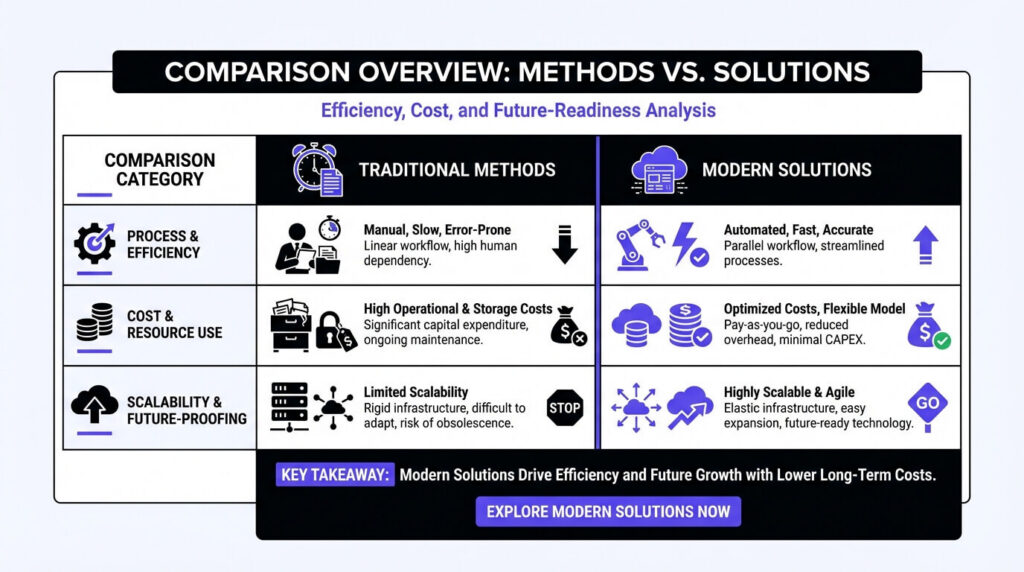
Examples of Fiat Wallets
A wide range of financial technology companies, banks, and payment service providers worldwide offer fiat wallets. Depending on the platform, these wallets may serve general consumers, businesses, or both, and can range from global services to regionally specialized solutions. Many modern fiat wallets also offer features for managing digital assets alongside traditional currencies.
Global Platforms
Several fiat wallet providers operate on a global scale, allowing users in multiple countries to store, send, and receive major currencies with relative ease. Notable examples include PayPal, which enables transactions in dozens of currencies and is widely accepted for both online and in-person payments. Revolut is another prominent global wallet, providing multi-currency support, real-time exchange rates, and integrated budgeting tools within its mobile and web-based apps. Wise (formerly TransferWise) specializes in international transfers and multi-currency accounts, offering transparent fees and real exchange rates for cross-border payments.
Regional and Bank-Backed Wallets
Some fiat wallets are developed to meet the specific needs of users within certain countries or regions. For example, Alipay and WeChat Pay have become dominant in China, supporting a vast ecosystem of digital payments, peer-to-peer transfers, and even public services. In India, Paytm serves a similar role, offering digital wallet functionality for a range of services, including mobile top-ups and retail shopping.
Bank-backed wallets are typically extensions of established banks’ online services, such as Monzo and N26 in Europe or Chime in the United States. These wallets are often tightly integrated with traditional checking and savings accounts, offering features such as fee-free transfers within the same network, instant notifications, and compatibility with local payment infrastructures.
Platforms with Crypto Integration
An increasing number of fiat wallets offer built-in support for cryptocurrency transactions, allowing users to buy, sell, and hold digital assets alongside their fiat balances. Binance and Coinbase are prominent examples; both platforms provide users with the ability to maintain fiat balances, make deposits and withdrawals in multiple currencies, and exchange fiat for cryptocurrencies directly. Other hybrid platforms, such as MoonPay and Volet.com, enable users to bridge the gap between traditional money and digital assets, sometimes offering seamless transfers between bank accounts, cards, and crypto wallets within a unified interface.
Role of Fiat Wallets in the Digital Economy
Fiat wallets play a pivotal role in shaping how individuals and businesses interact with money in a rapidly evolving financial landscape. By enabling seamless integration between conventional banking systems and new digital services, fiat wallets play a crucial role in supporting the global transition toward a cashless and increasingly interconnected economy.
Bridging Traditional and Digital Finance
One of the most significant contributions of fiat wallets is their ability to bridge the gap between traditional financial infrastructure and the emerging digital payments landscape. Through integration with banks, payment processors, and financial technology platforms, fiat wallets offer users a single access point for managing both traditional and innovative financial products. This enables easy transfers of funds between a bank account, a payment app, and other digital services without friction or significant delay.
For consumers, this means greater flexibility in how and where they spend or save their money, as well as improved access to international markets and cross-border transactions. For businesses, fiat wallets reduce barriers to entry for digital commerce, facilitate the rapid settlement of payments, and enable efficient payroll or mass payments across multiple currencies and regions.
Use in Cryptocurrency Exchanges
Fiat wallets are also essential to the operation of cryptocurrency exchanges, where they serve as the primary interface for users to deposit, withdraw, and hold national currencies before converting them to or from digital assets. On most major exchanges, users must first fund a fiat wallet to purchase cryptocurrencies. Conversely, when selling digital assets, the proceeds are credited to the user’s fiat wallet and can then be withdrawn to a linked bank account or spent via connected payment systems.
This integration is crucial for the broader adoption of cryptocurrencies, as it lowers the barriers for new users entering the digital asset market and ensures compliance with regulatory requirements. By offering secure, regulated, and user-friendly on-ramps and off-ramps between fiat and digital currencies, fiat wallets support a more inclusive and liquid global financial ecosystem.
FAQ
Can I recover my funds if I lose access to my fiat wallet?
Most providers offer account recovery processes such as identity verification or recovery codes. However, the exact procedures depend on the platform’s security policy. For more details, see the section on Security and User Responsibilities.
What happens if my fiat wallet provider goes out of business?
Regulations in many countries require providers to safeguard user funds in segregated accounts, but the level of protection and fund recovery options can vary significantly by jurisdiction. Users should always verify whether the provider is appropriately licensed and regulated, and review the provider’s terms to understand any fund guarantee or compensation scheme in place. If a provider goes out of business, contact local financial authorities or regulators for guidance on recovery procedures and next steps.
How do fiat wallets handle disputes or unauthorized transactions?
Most platforms provide customer support channels and dispute resolution processes. Users are generally required to report unauthorized activity promptly to improve the chances of recovering funds.
Is it possible to use fiat wallets for business purposes?
Some providers offer specialized accounts or features designed specifically for businesses, including bulk payments, payroll options, and API integrations.
Are there transaction limits for fiat wallets?
Yes, most wallets impose daily, weekly, or monthly transaction and withdrawal limits, which may vary based on account verification level and provider policies.
Can I link multiple bank accounts or cards to a single fiat wallet?
Many platforms allow users to connect several payment methods, offering flexibility for funding and withdrawals. Check the provider’s documentation for the exact process and any limitations.
Do Fiat wallets provide transaction histories and statements?
Yes, most wallets offer detailed transaction histories, downloadable statements, and real-time notifications for all account activity.
What fees are associated with using a fiat wallet?
Fees can include transaction charges, currency conversion fees, withdrawal costs, or monthly maintenance charges. These vary widely by provider and service region.
What should I do if I accidentally send funds to the wrong recipient using my Fiat wallet?
Most digital wallet transactions are irreversible once completed. Users should contact their provider’s customer support immediately for any chance of recovery, but successful reversal is not guaranteed. Double-check recipient details before confirming each transaction to ensure accuracy.
Are fiat wallets available for minors or users under 18?
Some platforms allow minors to open accounts with parental consent or under specific youth banking programs. Requirements vary by provider and local regulations—check eligibility criteria before attempting registration.